$100 to $499
Funds a portion of a single scholarship: shipping, a component upgrade, or a session of mentorship infrastructure. Recognition on the Donors page if desired.
The Initiative is funded entirely by private contributions and in-kind partnerships. Every dollar reaches a scholar in a form they can use: hardware, shipping, mentorship infrastructure, or programmatic operations.
The Initiative is incorporated as a Georgia nonprofit corporation (July 2026), and our application for federal 501(c)(3) recognition is in preparation. Until the IRS grants that recognition, contributions are not tax-deductible. Deductibility is expected, though not guaranteed, to apply retroactively once granted; we will update this page and notify donors when it does.
The Initiative is building a fleet of five Reachy Mini robots for small-group, hands-on workshops, sessions where students do not watch a robot demonstration, they sit down at one, two students per robot, and program it themselves.
The arithmetic could not be simpler. Each robot costs about $500. Each robot funded adds two student seats to every workshop the Initiative will ever run, for the life of the hardware. Five robots outfit the full fleet.
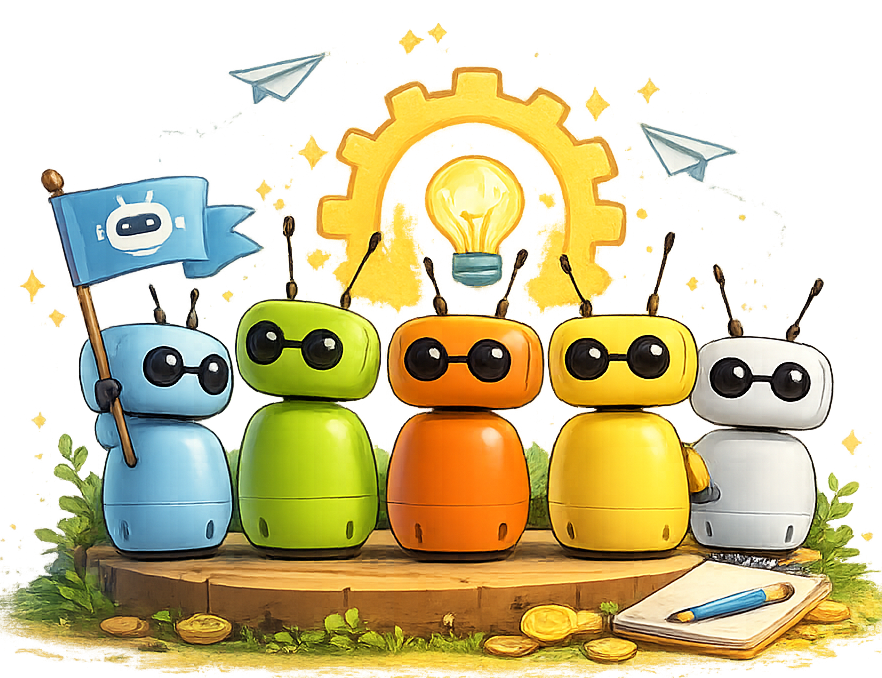
Gifts of any size count toward the fleet, five friends at $100 fund a robot together. Mark your gift "fleet" in the PayPal note, or tell us directly, and that is exactly where it goes.
A word on timing, because honesty is part of the work: each robot takes three to four months to arrive after ordering, and every one needs configuration and testing before it meets a student. Hands-on workshops are coming, but they are a 2027 milestone, not a next-month promise. The meter above is the schedule. The sooner the fleet is funded, the sooner the first session seats a student.
The tiers below fund the scholarship program: a Reachy Mini, shipping, and a year of mentorship sent directly to individual student awardees. This is separate from the Fund the Fleet campaign above, which equips group workshops. A fleet gift seats students at a workshop table; a scholarship gift puts a robot in one scholar's home.
Funds a portion of a single scholarship: shipping, a component upgrade, or a session of mentorship infrastructure. Recognition on the Donors page if desired.
Substantial contribution toward a single scholar's full program year. Named recognition in the cohort year announcement.
Underwrites a named scholarship slot for the cohort. Named acknowledgment in scholar communications and on the year's Showcase. Optional invitation to the year-end review.
For transparency: cohort-level support maps directly to scholar slots, and a Tier 03 contribution fully underwrites one scholar's hardware, shipping, and mentorship year. An itemized breakdown is available to any donor on request.
Scholarship gifts are held for the scholarship program, period. They are never redirected to workshops, the fleet, or general operations. Giving online? Mark your gift "scholarship" in the PayPal note so it reaches the scholarship fund. To support the workshop fleet instead, give through the Fund the Fleet campaign above.
The most common method for sponsorship-tier contributions. Wire instructions and the mailing address are sent on request through the contact page.
Online giving is live through PayPal and accepts major cards; no PayPal account is required. Please note the tax status disclosure above: until 501(c)(3) recognition is granted, online contributions are not tax-deductible. PayPal's processing fees apply, so for larger gifts a bank transfer or check stretches further.
Prefer not to choose a purpose? That is welcome too. Gifts made without a designation go to the Initiative's general fund, and the board applies them where the need is greatest, whether that is a scholar, the fleet, or the operations that keep both running.
Engineering time, mentorship hours, hardware donations, or services that reduce program operating cost are equally welcome. If you are an engineer who wants to mentor a scholar, write to us.
If you represent a school, district, library, museum, or community organization that serves students who would benefit from the Initiative, we want to talk. Partnerships range from referral relationships to formal collaboration on the application process.
Contributions in 2026 underwrite the inaugural cohort and establish the operational baseline for every cohort that follows. Early support is recognized as such in program materials.
Begin a conversation →